
As global agriculture faces multiple challenges, including climate change, labor shortages, and evolving market demands, “smart greenhouses” are becoming a core direction for modern agricultural transformation. Compared to traditional greenhouses, smart greenhouses significantly improve crop yield, quality, and resource utilization efficiency through automation, digitalization, and precision management. Why are more and more farms choosing to build smart greenhouses?
AXgreenhouse will provide a comprehensive analysis from technical, cost, and benefit perspectives.
I. Addressing Climate Instability: Smart Greenhouses Provide a Controllable Environment
In recent years, extreme heat waves, cold waves, and torrential rains have become increasingly frequent, increasing the risks to open-field agriculture. Smart greenhouses can use intelligent control systems to adjust key environmental parameters such as temperature, humidity, light, and carbon dioxide concentration in real time, creating a stable growth environment for crops.
Typical functions of smart greenhouses include:
- Automatic temperature control system (heating & ventilation)
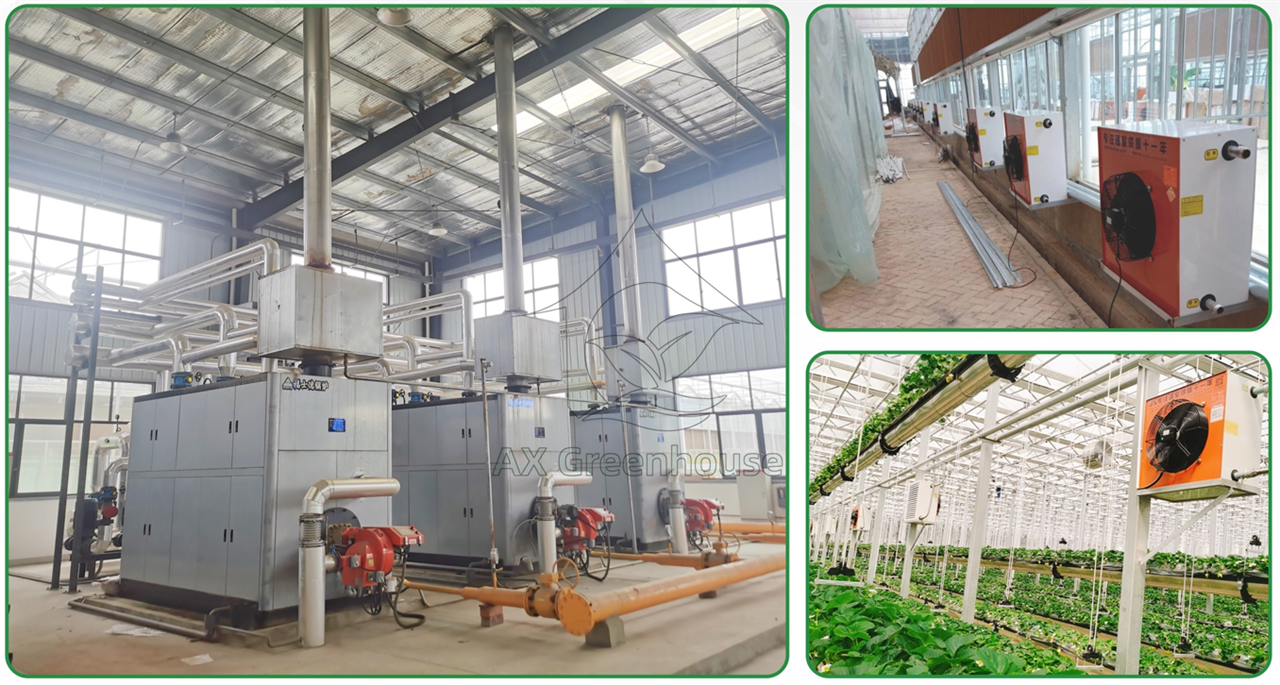
- Intelligent shading system

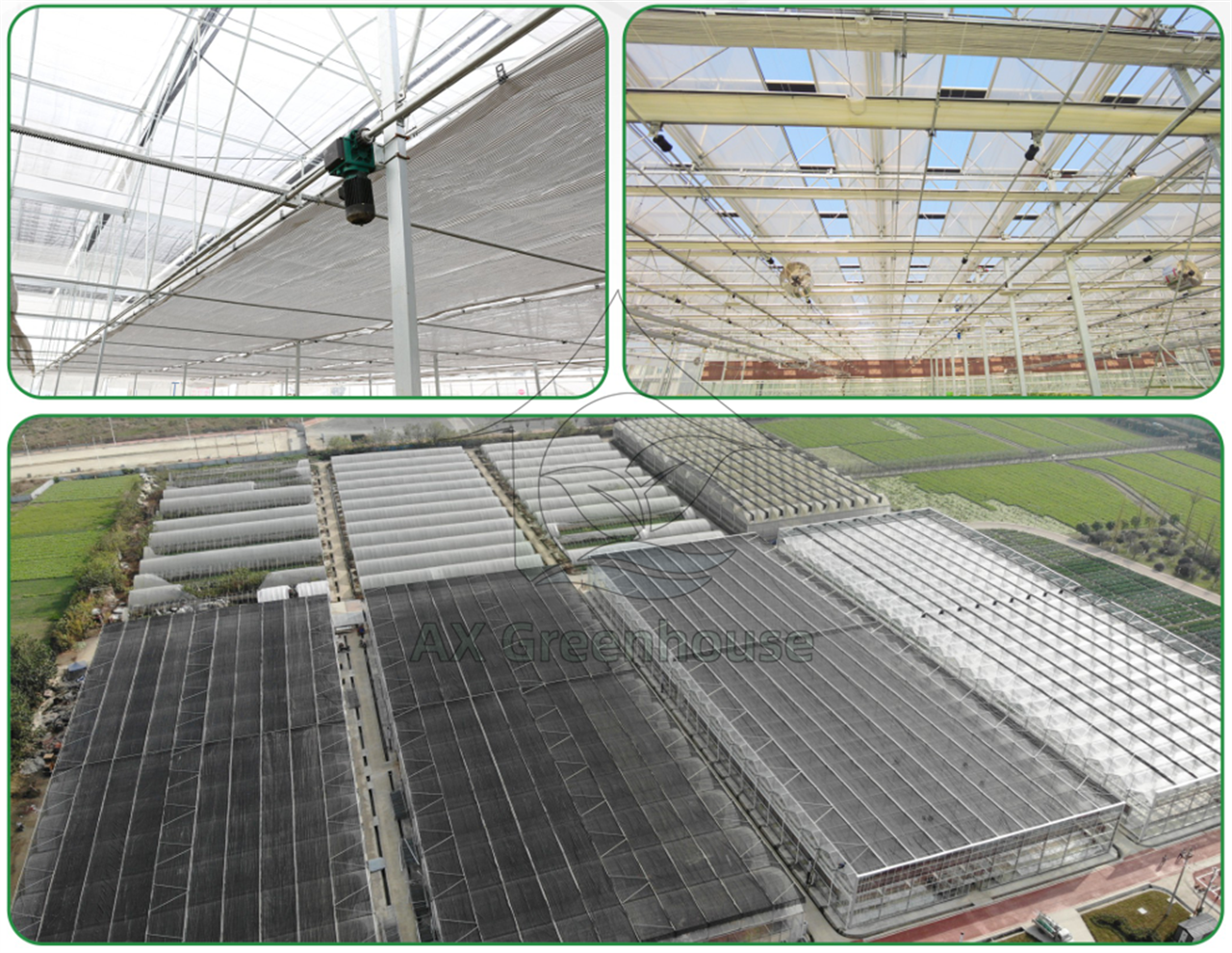
- Automatic irrigation and fertilization system
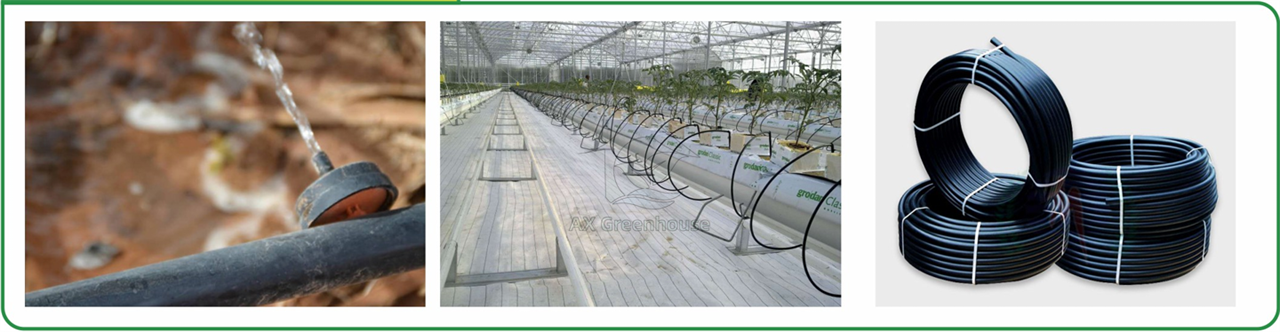
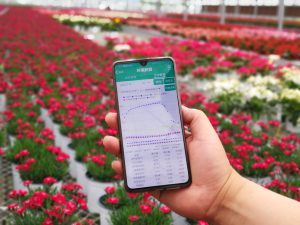
- Real-time data monitoring platform
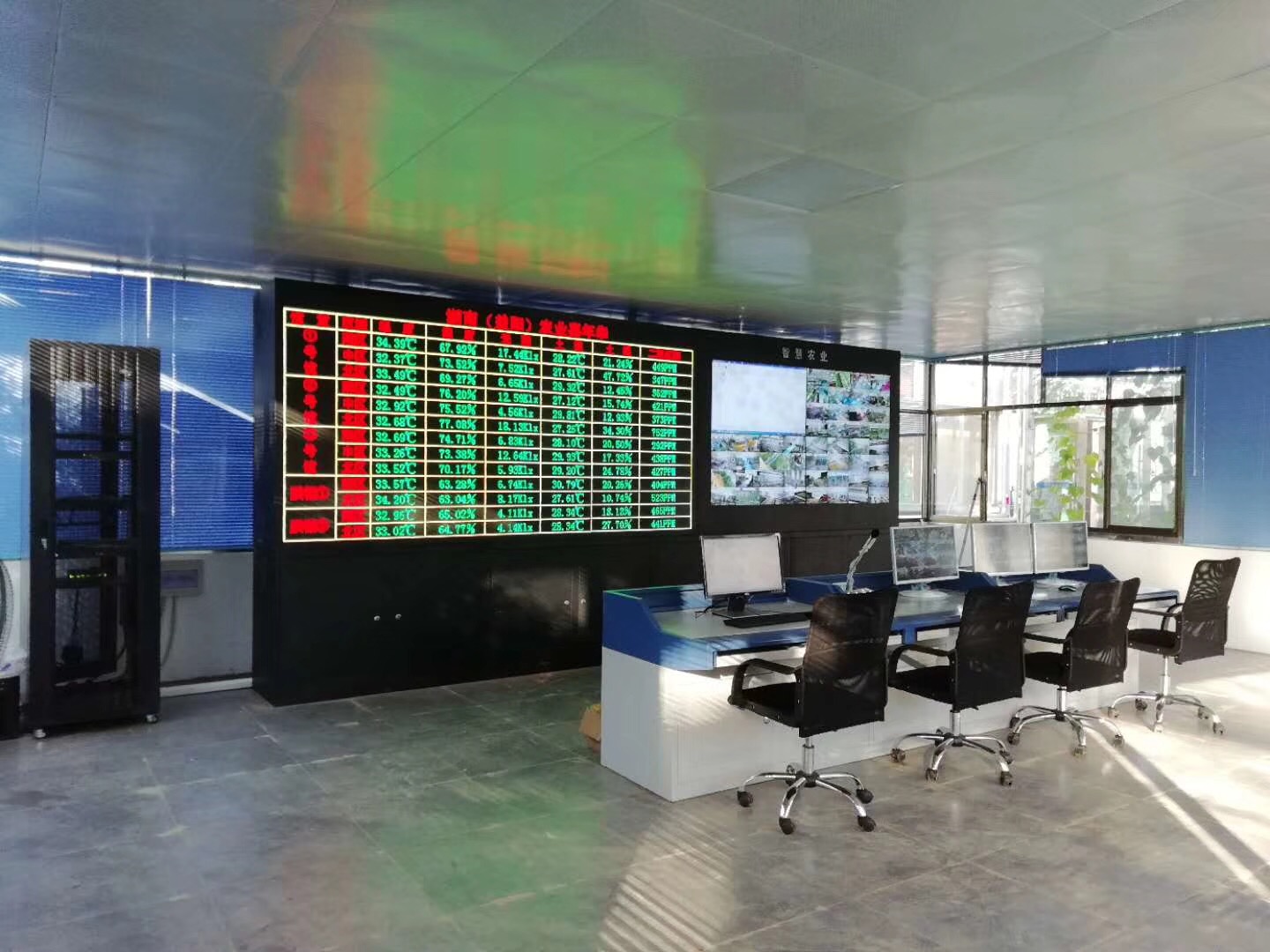
Even in areas with harsh weather conditions, continuous and stable production can be maintained, reducing production uncertainty.
II. Improved Planting Efficiency: Automation Reduces Labor Costs
Traditional greenhouse management relies heavily on manual operations, such as irrigation, ventilation, and shading. Smart greenhouses automate these tasks through sensors and algorithms, significantly reducing labor input.
Compared to traditional greenhouses, the advantages of smart greenhouses include:
- Saving 30-50% on labor costs
- Precise operation, improving management efficiency
- Suitable for areas with labor shortages
- Easy management of multiple greenhouses via remote control system
Intelligent technology allows farmers to rely on data-driven production decisions rather than experience.
III. Increased Yield and Quality: The Core Embodiment of Precision Agriculture
Smart greenhouses precisely control fertilizer, water, and environmental parameters to ensure crops are always in optimal growing conditions, thus significantly improving yield and quality.
Benefits of Smart Greenhouses:
- 30-80% Increased Vegetable Yield
- Over 50% Water Savings
- Reduced Pest and Disease Incidence
- Higher Quality Uniformity, More Suitable for Commercial Markets
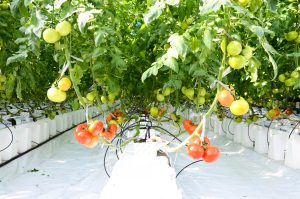
Smart greenhouses have a significant advantage for growing high-value crops (such as strawberries, cherry tomatoes, flowers, and medicinal herbs).
IV. Promoting Sustainable Agricultural Development: Energy Conservation and Environmental Protection in Parallel
Greenhouse energy consumption is a key concern in the industry. Smart greenhouses optimize energy and water resource usage, reducing waste and promoting green agricultural development.
Sustainability features include:
- Automatic ventilation reduces energy consumption
- Quantitative irrigation reduces water waste
- Smart shading effectively lowers internal temperature
- Can be combined with solar energy systems for further energy savings
Smart management not only improves economic efficiency but also aligns with global trends in sustainable agriculture.
V. Smart Greenhouses are More Adaptable to Diverse Business Models
Whether it’s large-scale vegetable bases, family farms, modern agricultural parks, or agritourism and picking gardens, smart greenhouses offer higher operational returns.
Smart greenhouses are suitable for:
- Commercial vegetable production
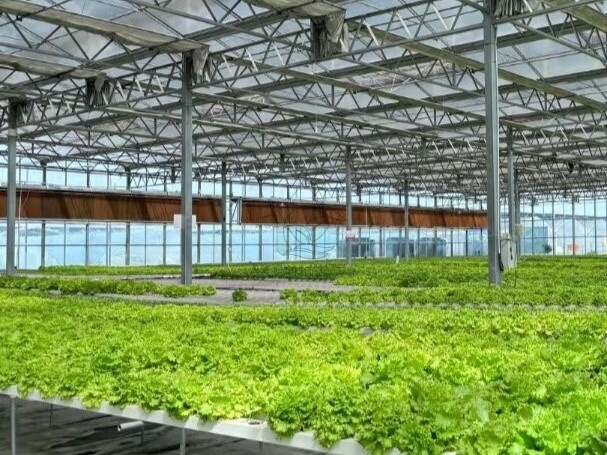
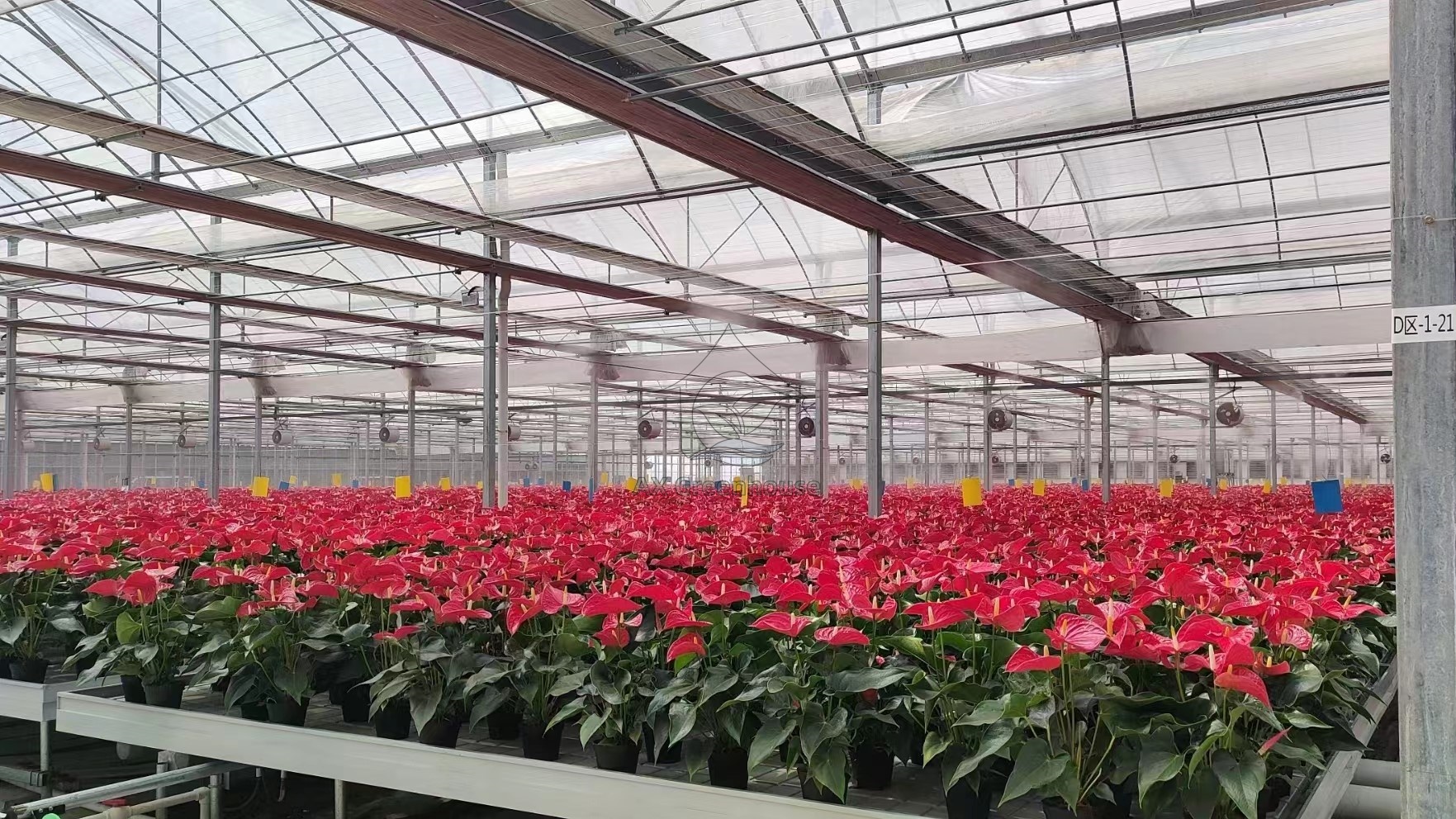
- Flower seedling bases

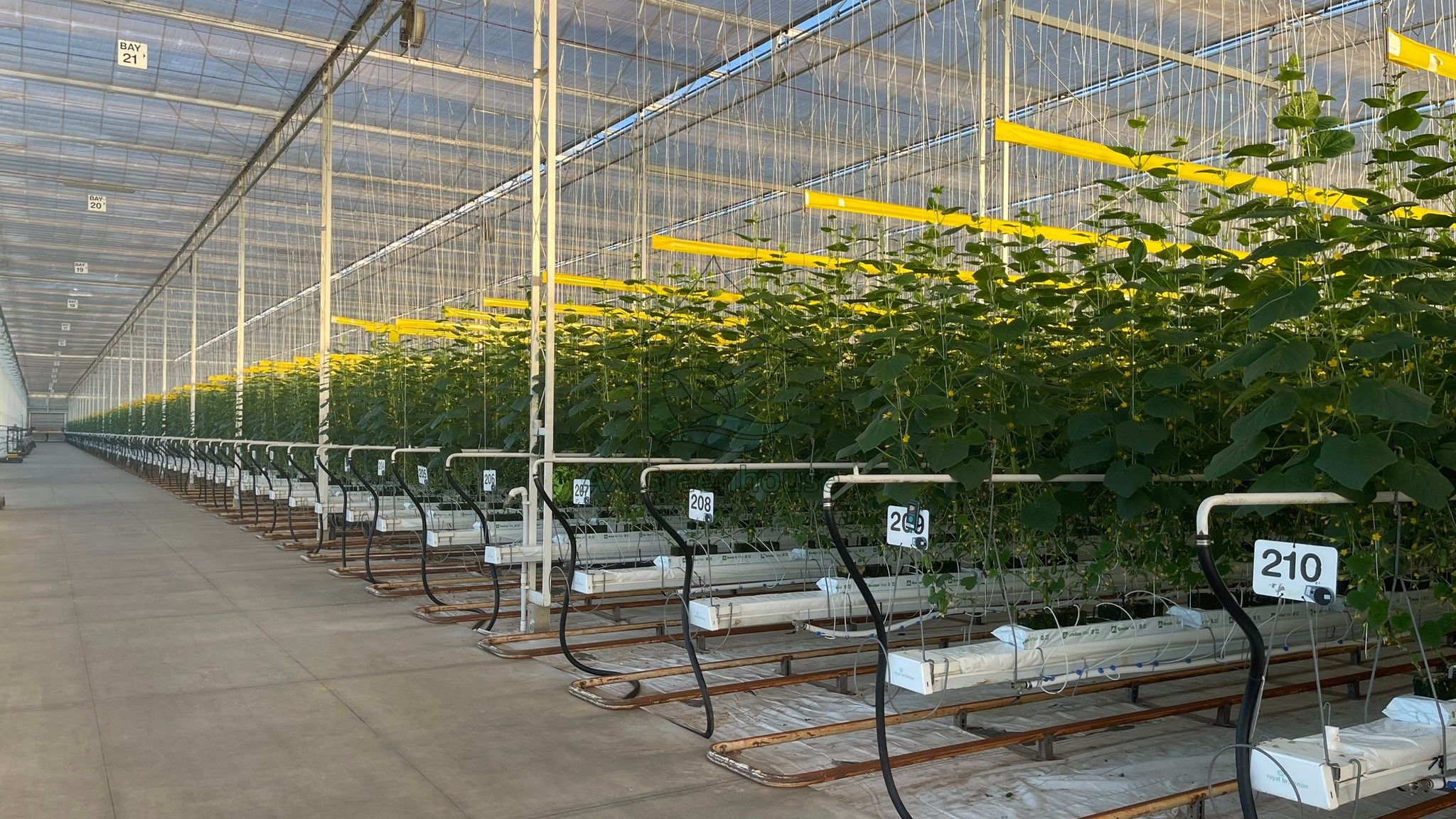
- Hydroponics/soilless cultivation systems

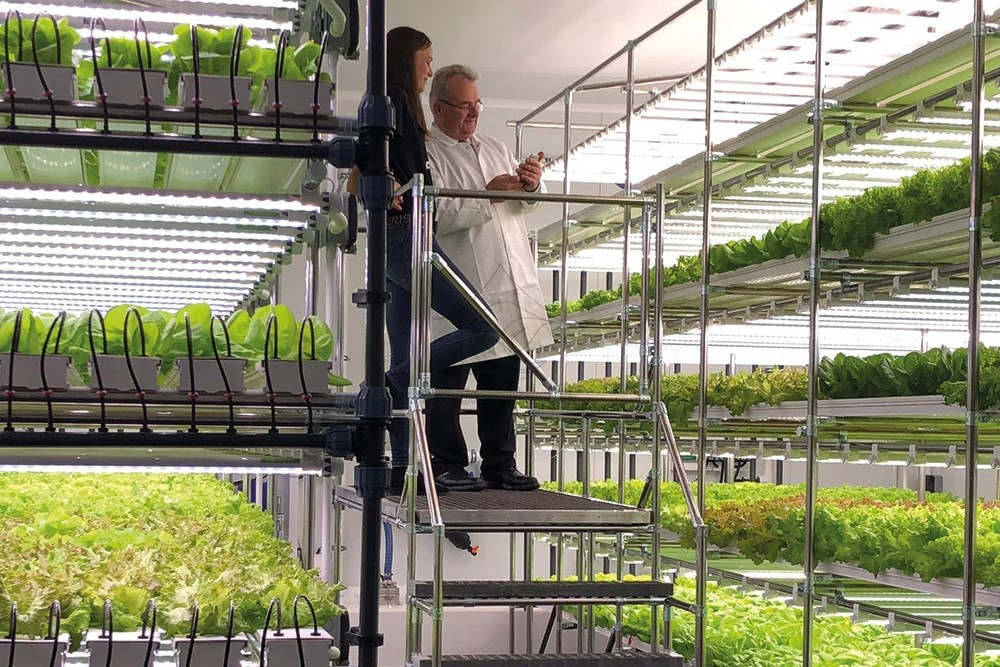
- Research and teaching greenhouses
- Agritourism complexes and demonstration greenhouses
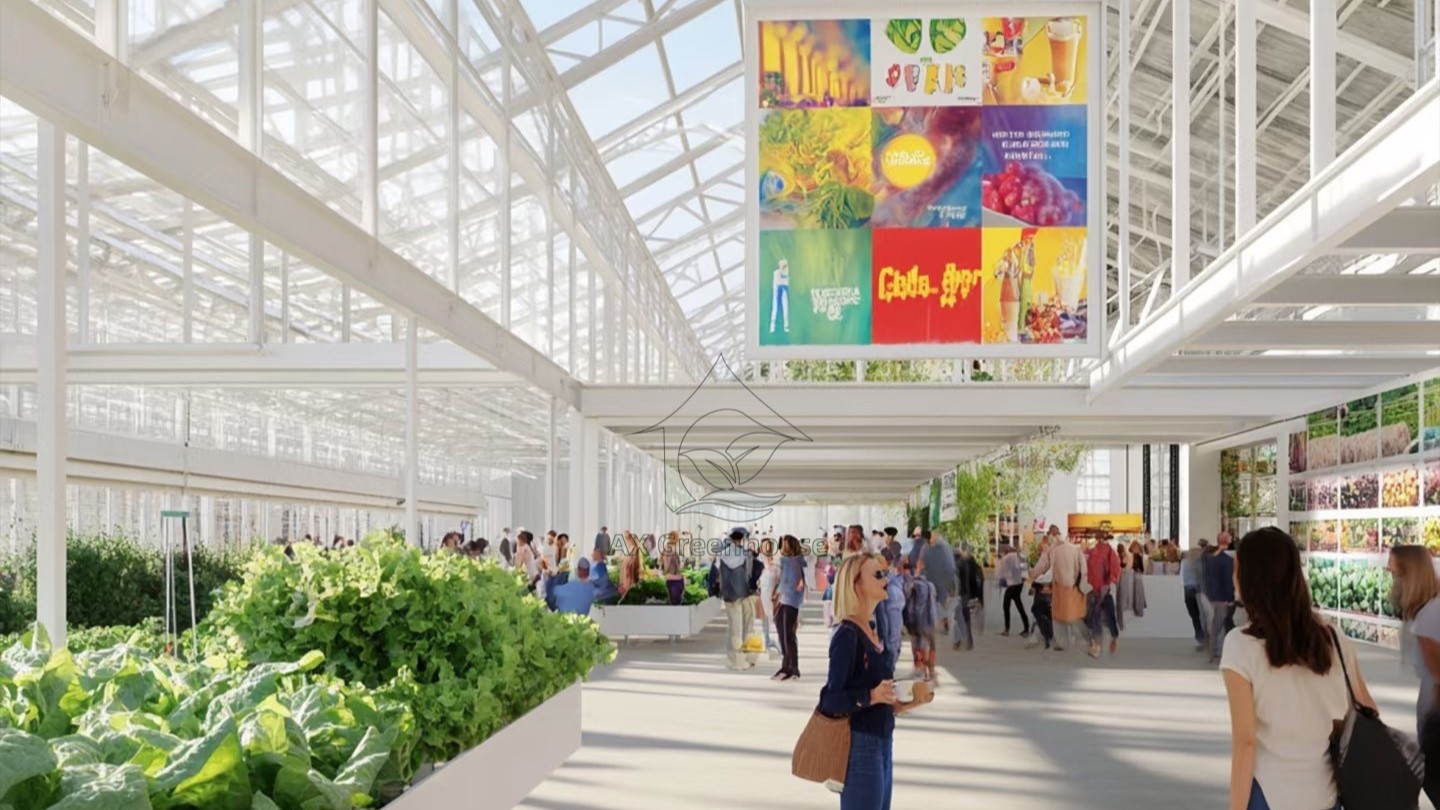
Their flexibility enables more farms to successfully transition from traditional agriculture to high-efficiency agriculture.
VI. AXgreenhouse’s Smart Greenhouse Solutions
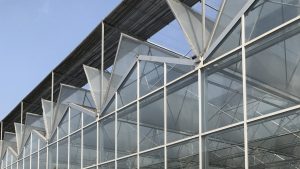
As a professional greenhouse manufacturer, AXgreenhouse provides clients with one-stop smart greenhouse construction services, including:
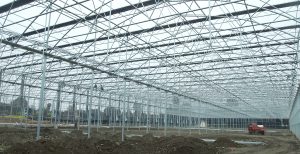
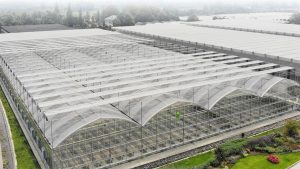
- Greenhouse structural design (galvanized steel pipe/aluminum alloy)
- Smart control system configuration
- Integrated water and fertilizer system
- Shading system, insulation system, ventilation system
- Installation guidance and technical support
We customize the most suitable smart greenhouse solution based on climate conditions, crop needs, and budget to ensure clients achieve the best return on investment.
Conclusion
Smart greenhouses are reshaping global agricultural production. They not only solve problems such as unstable planting and high labor costs, but also improve crop yield and quality through data and automation. With the acceleration of agricultural modernization, smart greenhouses will become the mainstream choice for future farms.
AXgreenhouse will continue to innovate, providing global clients with more efficient, energy-saving, and intelligent greenhouse solutions.


 Malay
Malay  English
  French
  German
  Italian
  Portuguese
  Arabic
  Thai
Thai  Korean
  Spanish
  Hungarian
  Japanese
  Russian
  Vietnamese
  Chinese